
In short: a standing-seam metal roof on a typical Cape Coral home runs about $25,000–$45,000, or $1,000–$1,600 per square. 5V crimp is the lower-cost metal option at about $700–$1,200 per square. Both are estimates.
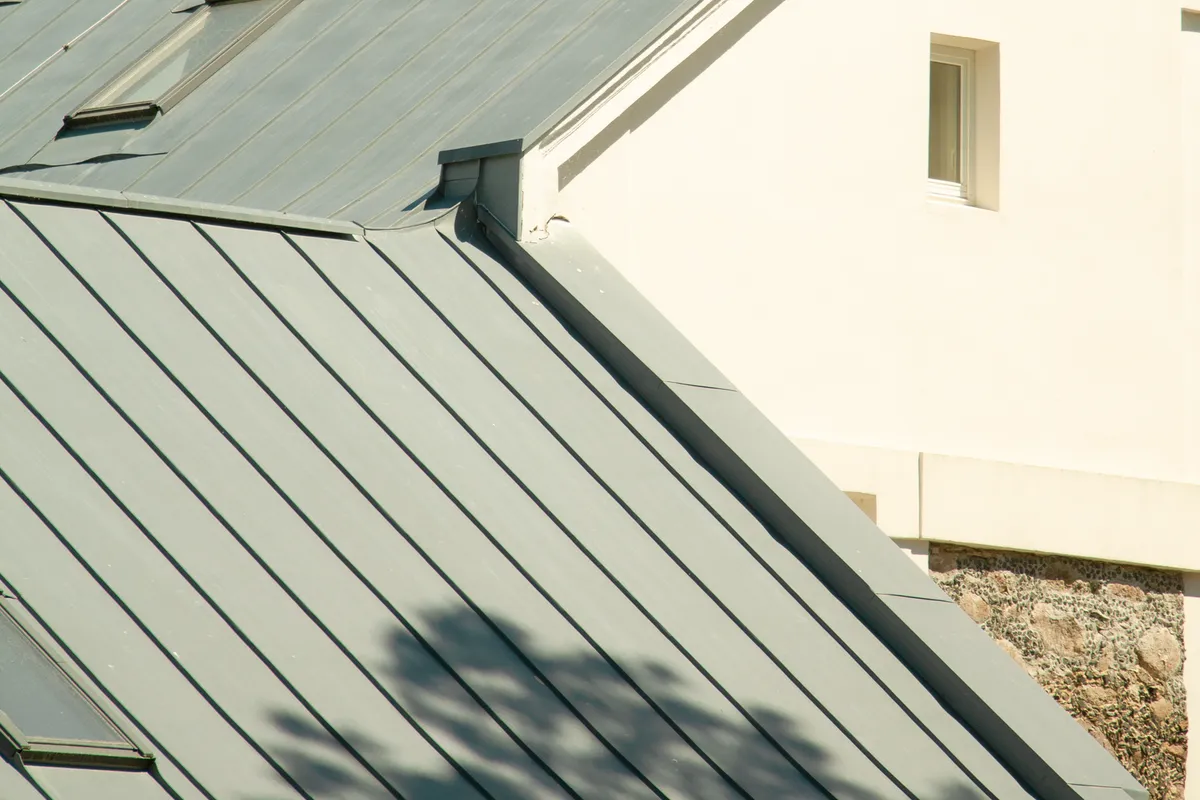
Standing seam or 5V crimp?
Standing seam has raised seams with hidden fasteners, so there are no exposed screws to back out or leak. It is the cleaner look and the stronger choice for wind. 5V crimp is a classic Florida panel fastened through the face. It costs less, and the screws need checking over the years.
Aluminum or steel near the canals
Cape Coral has hundreds of miles of salt and fresh canals, and salt air eats steel from cut edges and scratches. On homes close to salt water we usually recommend aluminum, which doesn't rust, with fasteners and trim rated for the same exposure. Further inland, coated steel (Galvalume) is a good value.
Metal roof price guide
| Job | Estimated price | Notes |
|---|---|---|
| Standing-seam metal | $1,000–$1,600 / square | About $25,000–$45,000 for a typical home |
| 5V crimp metal | $700–$1,200 / square | Exposed fasteners |
| Aluminum upgrade | Adds to the above | Recommended near salt water |
These prices are estimates. Panel gauge, metal type, color and the roof's shape all move the number. See the cost guide for the full comparison.
What owners like about metal
- High wind ratings when installed to the product approval.
- Reflective finishes that keep attic heat down.
- Long service life, with no granules or tiles to lose in a storm.
Questions about metal roofing
Is a metal roof loud in the rain?
Over a solid deck with underlayment, most owners find it no louder than shingle. The noise people remember comes from metal over open framing on barns and sheds.
Does metal attract lightning?
No. Metal roofs do not make a strike more likely, and a metal roof will not burn if one does happen.
Can metal go on a low-pitch roof?
Standing seam can go on lower slopes than many materials, within the manufacturer's limits. Very flat areas like lanai roofs are better done in TPO or modified bitumen.
Last reviewed October 7, 2026